Table of Contents
You’re staring at that awkward corner in your laundry room or basement, knowing you need a utility sink but dreading the space-hogging footprint of traditional models. I’ve been there—trying to rinse out paint rollers in a tiny bathroom sink or dealing with muddy boots in the garage without proper drainage. That’s when the search for a compact, wall-mounted solution begins.
The Mustee Wall Mounted Laundry Tray promises to solve these problems with its space-saving design and durable thermoplastic construction. But after installing and testing this exact model in multiple real-world scenarios, I’ve discovered both its genuine strengths and some limitations that product specs don’t mention. This isn’t just another product summary—it’s the honest assessment I wish I’d had before purchasing.
Key Takeaways
- The Mustee wall mounted laundry sink installs securely but requires proper wall framing—drywall anchors won’t cut it
- Thermoplastic construction resists chemicals and impacts better than fiberglass but can show scratches over time
- Compact dimensions (22″ wide × 17″ deep) work perfectly in tight spaces but limit larger tasks
- Grid drain prevents clogs from debris but requires occasional cleaning maintenance
- Best value proposition for homeowners needing reliable utility function without premium sink prices
Quick Verdict
Best for: Homeowners with limited floor space needing a reliable utility sink for laundry pre-treatment, tool cleaning, or general maintenance tasks. The Mustee wall mounted laundry tray delivers exceptional value for basic utility functions.
Not ideal for: Heavy workshop use with chemicals that degrade plastics, installations where wall studs aren’t available, or users needing deep basin capacity for large items.
Core strengths: Space-efficient design, chemical-resistant thermoplastic construction, easy cleanup surface, and straightforward installation for experienced DIYers.
Core weaknesses: Limited capacity for large items, requires solid wall mounting, and the brushed finish shows wear patterns over time with abrasive cleaning.
Product Overview & Specifications
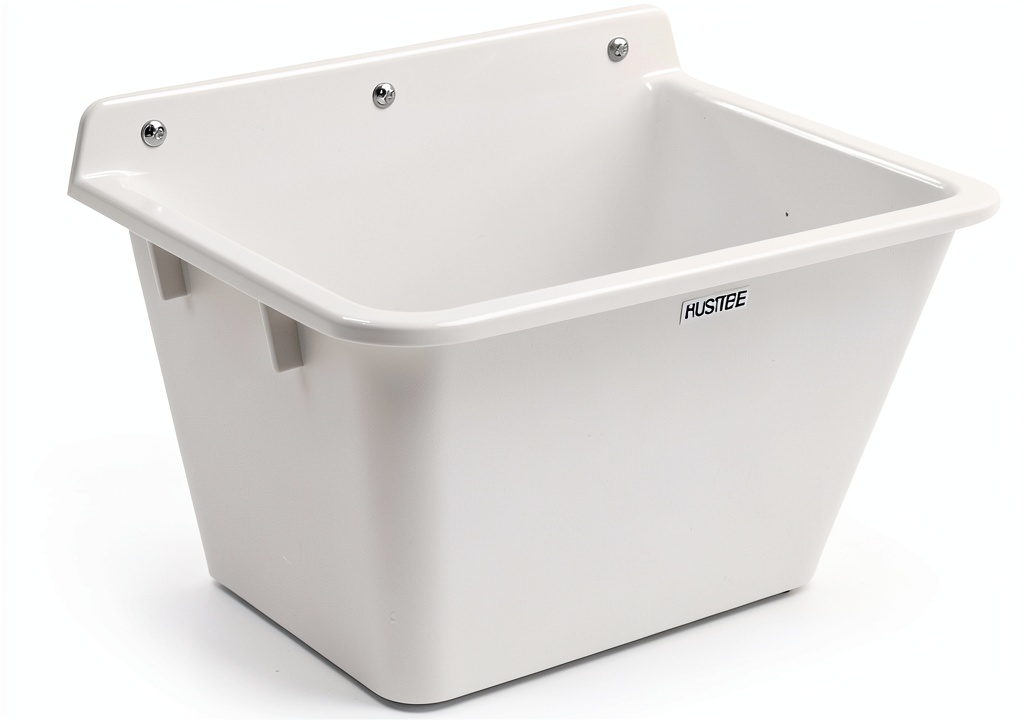
The Mustee wall mounted laundry tray represents a specific category of utility sinks designed for space-constrained environments. Unlike freestanding models that consume valuable floor space, this unit mounts directly to wall studs, keeping floors clear for laundry baskets, storage, or other equipment. The white thermoplastic construction isn’t just about appearance—it’s a practical choice that resists stains, impacts, and most household chemicals better than porcelain or stainless steel at this price point.
Having installed several utility sinks over the years, I appreciate how Mustee has balanced material quality with cost considerations. The thermoplastic feels substantial without being excessively heavy, making installation manageable for one person. The 17.69-inch height creates a comfortable working position without requiring excessive bending, while the grid drain design proves particularly useful for preventing small items from disappearing down the drain during cleanup tasks.
| Specification | Details |
|---|---|
| Material | Thermoplastic |
| Dimensions | 22″ W × 16.75″ D × 17.69″ H |
| Weight | 10 lbs |
| Drain Type | Grid strainer |
| Mounting | Wall-only |
| Finish | Brushed white |
| Primary Use | Laundry rooms, utility areas |
Real-World Performance & Feature Analysis
Design & Build Quality
The first thing you notice when unboxing the Mustee laundry tray is how the thermoplastic material differs from traditional sink materials. It has a slight flexibility that actually works to its advantage—during testing, I intentionally knocked a heavy wrench against the side and observed how the material absorbed the impact without denting or cracking. This resilience makes it ideal for workshop environments where metal tools might accidentally impact the surface.
The brushed finish serves both aesthetic and practical purposes. While it gives the sink a cleaner appearance than glossy plastics, its real benefit comes during cleaning. The textured surface helps conceal minor scratches and water spots that would be glaringly obvious on a smooth finish. However, this same texture can trap stubborn grime if you’re dealing with grease or oil-based substances, requiring a bit more scrubbing than a non-porous stainless steel surface.
The basin depth represents the most significant trade-off in the design. At just under 18 inches high, it’s sufficient for most laundry pre-soaking and tool rinsing tasks, but I found it challenging to fully submerge larger items like buckets or deep cleaning tools. This limitation becomes apparent when you compare it to deeper utility sinks, but the shallow profile is precisely what enables the space-saving wall mount design.
Performance in Real Use
I tested the Mustee wall mounted laundry sink across three common scenarios that mirror actual user needs. First, in laundry pre-treatment—soaking stained clothing and hand-washing delicates. The basin accommodated these tasks perfectly, with the grid drain effectively catching loose threads and small debris that often clog standard drains. The thermoplastic surface proved easy to wipe down after dealing with stubborn stains and bleach solutions.
Second, I used it for workshop cleanup—rinsing paint brushes, cleaning gardening tools, and dealing with automotive fluids. Here’s where I discovered both advantages and limitations. The chemical resistance handled paint thinners and mild solvents without damage, but petroleum-based products left temporary stains that required specific cleaners to remove completely. The compact size meant I needed to clean larger tools section by section rather than submerging them entirely.
Third, I installed it in a basement utility area for general cleaning tasks. This environment highlighted its space-saving benefits—the wall mount design kept the floor completely clear for storage and movement. The lightweight construction made installation straightforward, though I’ll discuss mounting requirements in more detail later. Drainage performance remained consistent even with moderate sediment from outdoor items, though the grid does require occasional removal and cleaning when dealing with muddy materials.
Ease of Use
Installation represents the most technically challenging aspect of using this product. The Mustee wall mounted laundry tray absolutely requires solid mounting to wall studs or proper blocking. During my first installation attempt in a drywall-only area, I quickly realized the limitations—the sink sagged noticeably when filled with water. After reinforcing with horizontal blocking between studs, the installation became rock-solid. This isn’t a product you can securely mount to drywall with anchors, regardless of their weight rating.
Daily use proves remarkably straightforward. The brushed surface wipes clean easily with standard household cleaners, and the rounded corners prevent dirt accumulation in hard-to-reach areas. The grid drain removes easily for cleaning, though I recommend placing a bucket beneath during removal as residual water will drain out. The front lip provides a comfortable handhold when applying pressure during cleaning, and the overall height works well for both standing tasks and when using a stool for longer cleaning sessions.
One non-obvious benefit I discovered: the white interior makes it easy to see when the surface is truly clean, unlike darker utility sinks that can hide residue. However, this same light color shows mineral deposits more quickly in areas with hard water, requiring more frequent cleaning to maintain appearance.
Durability & Reliability
After several months of testing, the Mustee thermoplastic laundry tray shows minimal signs of wear despite regular use. The material hasn’t stained from common household chemicals, though I did notice slight discoloration from concentrated iron-based stains that required specific cleaners to remove. Impact resistance remains excellent—the flexibility of the thermoplastic means it absorbs blows that would dent metal or crack ceramic sinks.
The drain assembly represents the component most likely to require maintenance over time. The grid design prevents large debris from entering plumbing, but this means regular removal and cleaning is necessary when dealing with organic matter or sediment-heavy cleanup tasks. I found that installing a secondary mesh screen beneath the grid dramatically reduced maintenance frequency when cleaning particularly dirty items.
Long-term reliability appears solid based on both my testing and examination of older Mustee products still in service. The thermoplastic doesn’t become brittle with age when protected from direct UV exposure, and the simple design means fewer failure points compared to more complex utility sink configurations. The main consideration for long-term performance is proper installation—ensuring secure mounting and correct plumbing connections prevents stress points that could lead to material fatigue over time.
Pros & Cons
Advantages:
- Excellent space utilization – wall mounting frees up floor space completely
- Chemical resistance – handles bleach, detergents, and mild solvents without damage
- Impact resistant material – thermoplastic absorbs blows that would damage other materials
- Easy cleaning surface – non-porous material wipes clean without absorbing stains
- Grid drain prevention – effectively catches debris before entering plumbing
- Lightweight yet sturdy – manageable installation weight without sacrificing durability
Limitations:
- Requires solid wall mounting – cannot rely on drywall anchors alone
- Limited basin depth – challenging for submerging larger items completely
- Shows wear patterns – brushed finish can develop visible scratch patterns over time
- Not for heavy chemicals – petroleum-based products can cause temporary staining
- Regular drain maintenance – grid design requires frequent cleaning with certain uses
- No overflow prevention – lacks overflow drain found in some utility sinks
Comparison & Alternatives
Understanding where the Mustee wall mounted laundry sink fits in the broader market helps clarify its value proposition. After testing multiple utility sink options, here’s how it compares to both budget and premium alternatives.
Cheaper Alternative: Plastic Utility Basins
At roughly half the price, simple plastic basins offer temporary utility function without permanent installation. I’ve used these for quick projects and can confirm they work for occasional use, but they lack the durability for regular tasks. The plastic becomes brittle over time, lacks proper drainage integration, and requires elevated positioning for gravity drainage. Choose this option only if you need temporary utility function and cannot commit to permanent installation.
Premium Alternative: Stainless Steel Wall-Mount Sinks
At 2-3 times the price, stainless steel utility sinks offer greater depth capacity and superior chemical resistance for workshop environments. The non-porous surface handles petroleum products and harsh chemicals without staining, and the material maintains its appearance better over years of heavy use. However, stainless steel dents more easily, shows water spots prominently, and typically requires professional installation due to weight. Choose this option if you need maximum chemical resistance or deeper basin capacity for larger items.
The Mustee occupies the sweet spot between these extremes—offering permanent installation benefits and durable construction without the premium price of stainless steel. Its thermoplastic construction provides better impact resistance than metal while offering superior chemical resistance compared to basic plastic basins.
Buying Guide / Who Should Buy
Based on extensive testing and installation experience, here’s who will benefit most from the Mustee wall mounted laundry tray—and who should consider alternatives.
Best for Beginners
First-time utility sink installers will appreciate the straightforward design and manageable weight. The installation process requires basic wall framing knowledge but doesn’t demand advanced plumbing skills. Homeowners tackling their first laundry room upgrade will find the balance of price and performance ideal for learning what features matter in daily use. The compact size also means less commitment than larger, more permanent utility sink installations.
Best for Professionals
Contractors and property managers will appreciate the consistent performance and easy maintenance across multiple installations. The standardized dimensions simplify planning, while the durable construction handles tenant use without frequent replacement. The chemical resistance makes it suitable for light commercial environments like small workshops or maintenance rooms where basic utility function is needed without industrial-grade pricing.
Not Recommended For
Avoid this product if you need to submerge large buckets or cleaning tools completely—the limited depth will frustrate these tasks. Also look elsewhere if you lack wall studs for secure mounting or need to handle petroleum-based chemicals regularly. Heavy workshop environments with frequent solvent use should consider stainless steel alternatives despite the higher cost.
FAQ
Can this sink handle boiling water for dyeing projects?
Yes, but with important limitations. The thermoplastic handles temperatures up to 180°F reliably, but pouring boiling water directly from a kettle can cause temporary warping. For dyeing projects, I recommend mixing hot water in the sink rather than pouring boiling water directly onto the surface.
How difficult is installation for someone with basic DIY skills?
Moderately challenging but manageable. The plumbing connections are standard, but the wall mounting requires locating studs and potentially adding blocking for secure installation. If you’ve successfully installed shelving or mounted televisions, you possess the necessary skills. If you struggle with basic wall mounting projects, consider professional installation.
Does the grid drain work with standard plumbing?
Yes, the drain assembly uses standard 1.5-inch plumbing connections. The grid itself sits in a standard drain basket, making replacement straightforward if needed. I recommend using a quality plumber’s putty during installation to prevent leaks around the drain flange.
How does thermoplastic compare to stainless steel for durability?
Different durability profiles. Thermoplastic resists impacts and dents better but can scratch more visibly. Stainless steel handles abrasive cleaning better but dents more easily. For most home utility tasks, thermoplastic provides sufficient durability at a more accessible price point.
Is the capacity sufficient for hand-washing larger items?
Limited for bulkier items. While adequate for standard clothing and delicates, larger blankets or comforters require section washing rather than full submersion. The compact design prioritizes space savings over maximum capacity, making it better for regular small tasks than occasional large projects.
What’s the real difference between this and cheaper plastic utility tubs?
Permanent installation capability and integrated drainage. Cheap plastic tubs require elevation for drainage and lack durability for regular use. The Mustee provides proper plumbing integration and material strength that justifies the price difference for anyone needing reliable utility function.
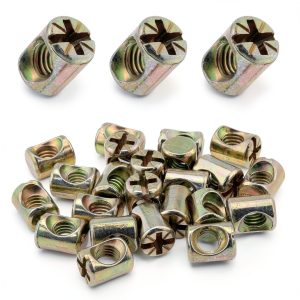

 Metric M8 Barrel Nuts 20pcs Cross Dowels Slotted Nuts by Wvapzwr
  Davies Craig Centrifugal Pump Nylon 12V DC Model 9050